Are Smart Fitness Mirrors Actually Worth the Price, or Just a Trendy Screen?

Quick Answer: Smart fitness mirrors are worth it primarily for people who value real-time form feedback, a compact home setup, and a highly structured guided experience enough to justify the cost — for people mainly seeking workout variety and motivation, a much cheaper streaming app or YouTube channel typically delivers comparable results without the hardware investment.
The mirror itself isn’t magic — the real question is whether its specific features (form tracking, compact design, premium production) are worth paying a premium over cheaper alternatives that deliver similar workout content.

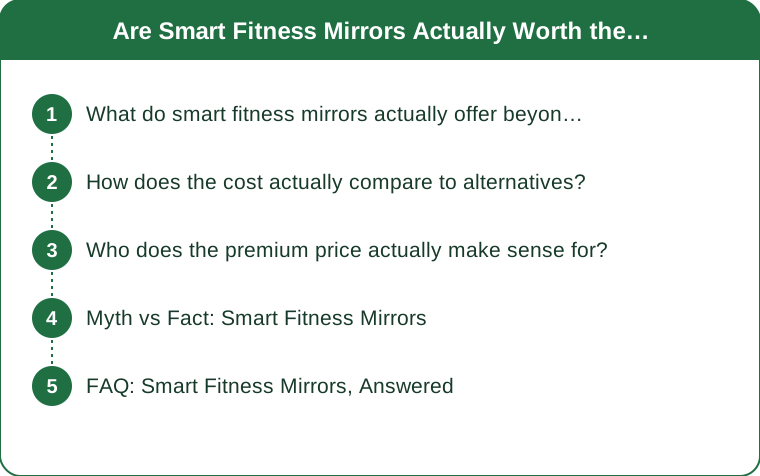
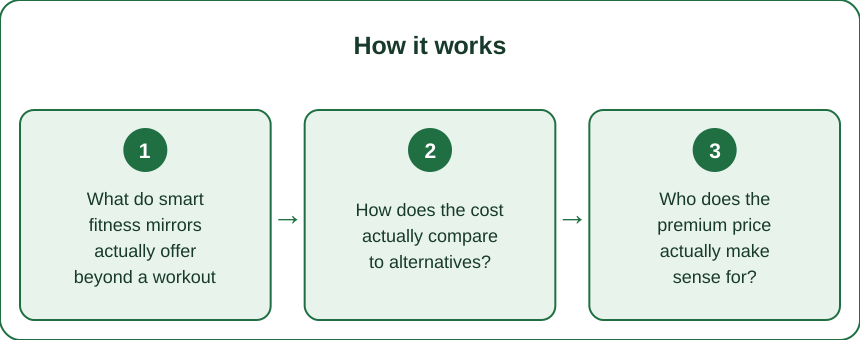
What do smart fitness mirrors actually offer beyond a workout video?
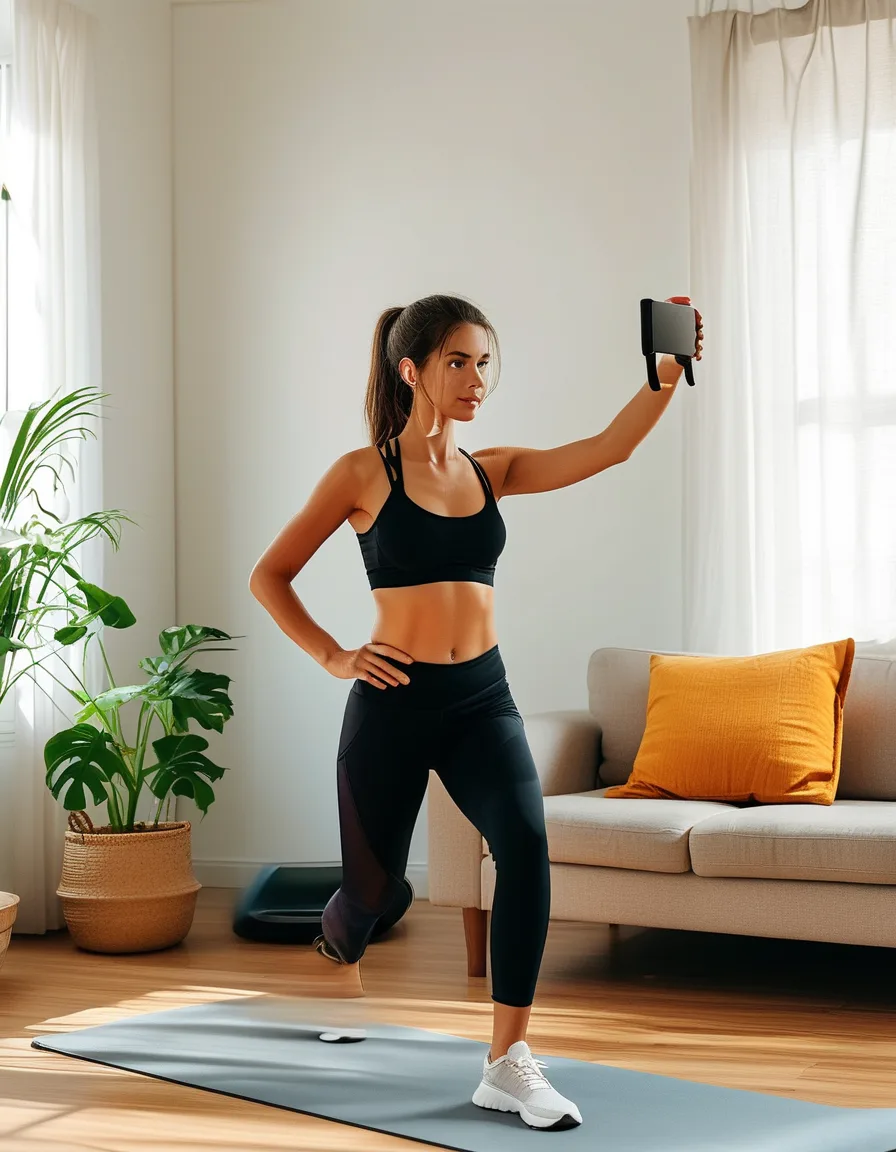
The core differentiators are real-time form feedback through motion tracking, a compact space-saving footprint (it functions as a mirror when off), and typically higher production quality classes than free alternatives. These are genuine features, not purely marketing — the question is how much they’re worth to you specifically.
How does the cost actually compare to alternatives?
Smart mirrors typically run $1,000-1,500 upfront plus a monthly subscription comparable to premium streaming fitness apps. A basic streaming app or free YouTube content delivers similar workout variety and instruction quality for a small fraction of the cost, minus the form-tracking and space-saving features.
Who does the premium price actually make sense for?
People who specifically value real-time form correction (reducing injury risk on technical movements), have limited space where a mirror’s dual function matters, or who respond strongly to premium production and motivation may find the cost justified. Budget-conscious users focused purely on workout content are usually better served by cheaper alternatives.
Myth vs Fact: Smart Fitness Mirrors
Myth: A smart mirror produces meaningfully better fitness results than a free workout app. Fact: Results depend far more on consistency and effort than the delivery platform — the mirror’s edge is convenience and feedback features, not superior training effectiveness.
Myth: The form-tracking feature is as accurate as an in-person trainer. Fact: It’s a helpful supplementary check, but doesn’t fully replace nuanced, hands-on coaching for complex movement corrections.
Myth: You need the mirror specifically for guided home workouts to work well. Fact: Well-produced streaming apps and even free YouTube channels deliver comparably structured, guided programming.
FAQ: Smart Fitness Mirrors, Answered
Is the ongoing monthly subscription required, or is there a one-time purchase option?
Most smart mirrors require an ongoing subscription for full class access, similar to premium streaming fitness apps — check this before buying.
Do these mirrors work well for strength training with actual weights?
Many models do support weighted and resistance-based classes, though check specific space and equipment compatibility before buying.
Is a cheaper alternative just as effective for weight loss or strength goals?
Yes, generally — a consistent workout routine drives results more than the specific device delivering it.
TL;DR:
- Smart mirrors offer real-time form feedback, compact design, and premium production
- Cost runs significantly higher than streaming apps or free content with similar workout variety
- The premium makes sense mainly for form-tracking value, space constraints, or motivation response
- Actual fitness results depend far more on consistency than the specific delivery platform
The mirror isn’t overpriced for what it does — it’s just a premium convenience layer on content you can often get much cheaper elsewhere.
Keep Reading
This article is for general informational and styling purposes only. Fit, sizing, and product availability may vary.